

AI-powered knowledge discovery: what it means for your firm
Ten thousand prior briefs are only an asset if someone can find the right one. Knowledge discovery is what turns a repository into a resource.
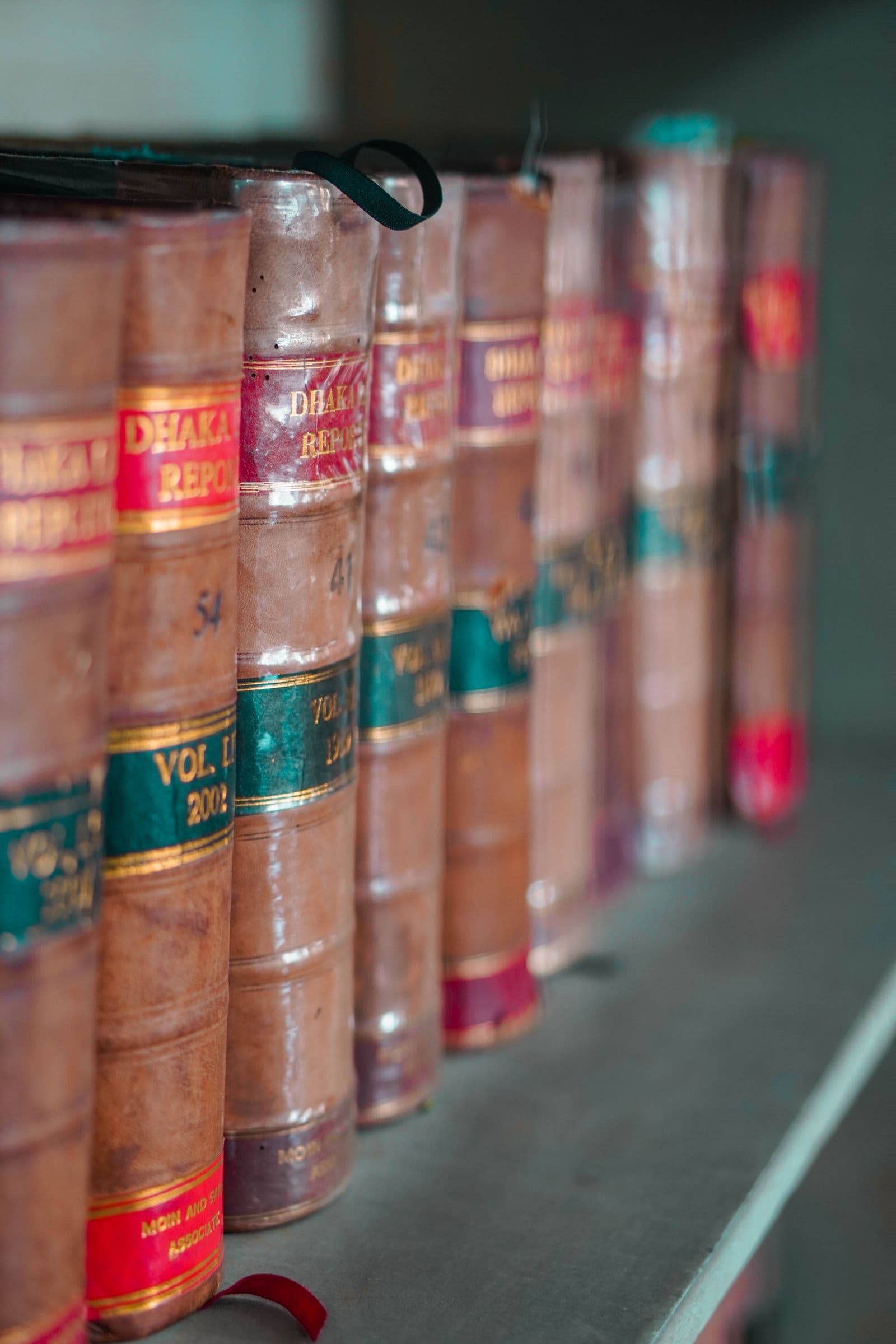
Imagine a firm has accumulated 10,000 prior briefs. Traditional document management lets attorneys search by filename, matter, date, client, folder, metadata or keyword. Knowledge discovery adds another way to interact with that knowledge: ask the repository a legal question.
1. Turn a repository into a knowledge base
- Find prior briefs addressing this legal issue.
- Have we made this argument before?
- Find matters involving a similar factual scenario.
- Show me previous arguments related to this issue.
Instead of manually navigating folders, attorneys use natural-language questions to begin discovering relevant legal work.
2. Find knowledge without the exact keywords
One of the biggest challenges with historical legal documents is terminology. The attorney searching today may describe an issue differently from the attorney who drafted the brief several years ago, and keyword search struggles when the words do not match.
- Which documents contain these words?
- Which documents discuss this legal concept?
3. Find the argument inside the brief
Sometimes the problem is not finding the document. It is finding the right information inside it. An attorney may retrieve a 40-, 60- or 100-page brief but need only several paragraphs addressing a particular issue.
- Search
- Open brief
- Scroll
- Read
- Search within document
- Repeat
- Ask
- Find relevant brief
- Identify relevant argument
- Review source
4. Reuse institutional knowledge
When an attorney begins a new matter, valuable work may already exist elsewhere in the organisation. Without effective discovery, that attorney may unknowingly repeat research a colleague has already completed. LexGeni can help identify prior arguments, research, legal reasoning, relevant briefs, supporting materials and similar factual scenarios.
This does not mean copying an old argument into a new matter. Circumstances, authorities, facts and law may have changed and still require attorney review. Previous work provides a starting point for new analysis.
5. Preserve knowledge when teams change
Institutional knowledge often resides not only in documents but in people’s memories. An experienced attorney may know exactly which prior matter addressed a particular issue. But when that attorney changes teams, retires or leaves, the documents remain and the informal knowledge about where to find them may not.
- Ask the attorney who worked on that case.
- Search our legal knowledge for similar work.
6. Connect answers back to the original brief
Finding an old argument is not enough. Attorneys need to inspect the underlying source, so retrieved information stays connected back to supporting documents.
- Question
- Relevant knowledge
- Citation
- Original brief
- Attorney verification